
History and Origin
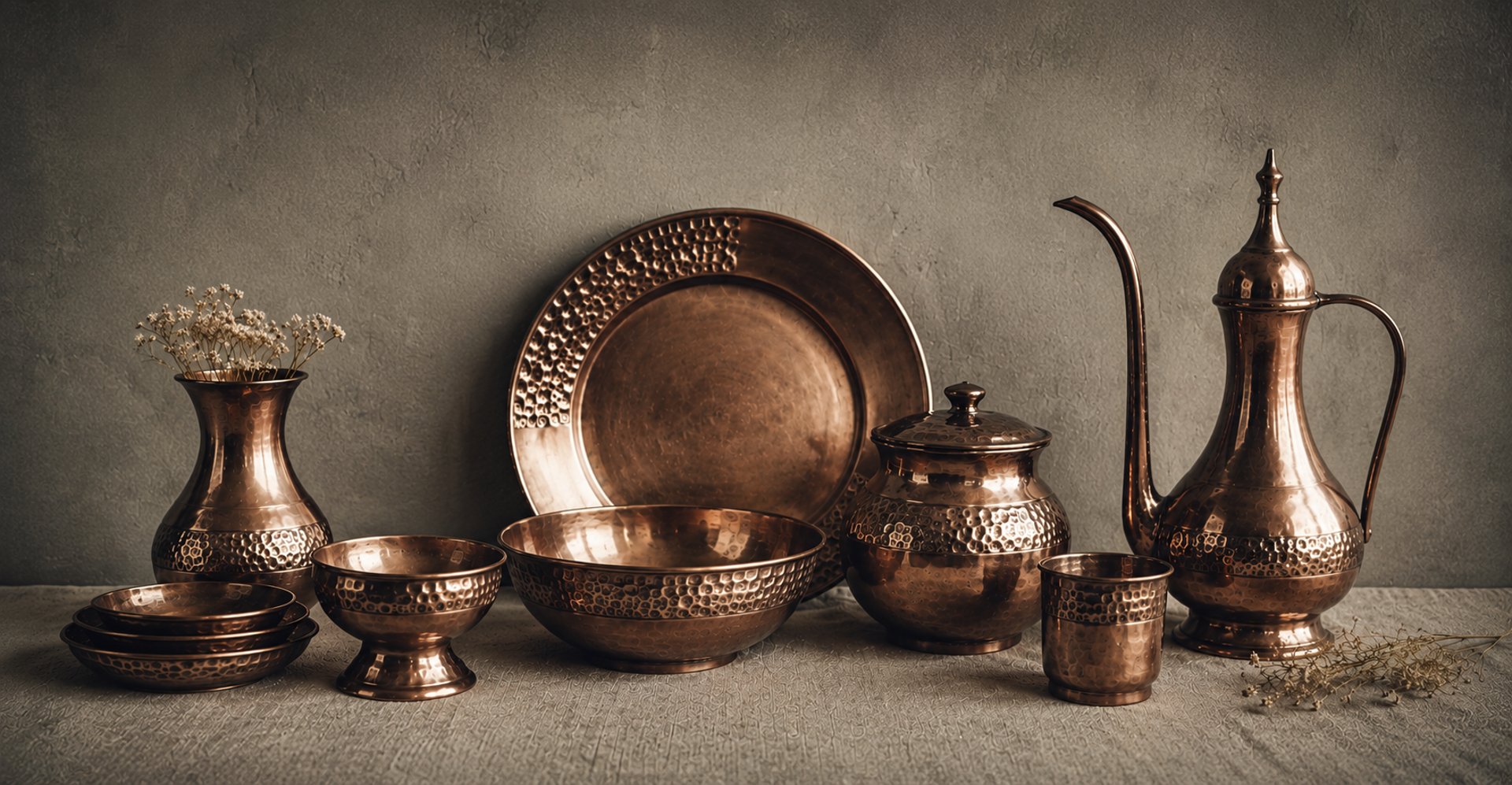
In Almora, nestled in the Kumaon hills of Uttarakhand, the Tamta craft found its voice. Skilled coppersmith communities known as Tamtas carried this tradition through generations, their identity so intertwined with the metal they shaped that the craft became their very name.
These craftsmen didn't just beat copper into form; they breathed life into it. Every vessel, every ritual object carried the quiet dignity of the mountains surrounding them. Copper was never merely a material; it was a medium for devotion, utility, and the unhurried wisdom of hill life.
As centuries passed, the craft deepened into a living record of Kumaoni culture, its rituals, its aesthetics, its relationship with nature and the divine.
Now, as younger generations drift toward other livelihoods, the ring of copper hammers grows softer in Almora's lanes. To preserve this craft is to honour a community that turned humble metal into something sacred, and their labour into legacy.
What Makes It Unique
(1) The Tamta craft blends mountain heritage, material wisdom, and meditative skill.
(2) Craftsmen work with copper - a metal revered in Ayurveda for its healing properties and ability to purify water - to create more than functional vessels.
(3) Every piece beaten, shaped, and finished entirely by hand becomes a conversation between artisan and metal, resulting in objects that are quietly extraordinary.
Process
(1) Material Sourcing: Artisans carefully select pure, high-quality copper sheets, prized for their malleability and Ayurvedic significance.
(2) Cutting and Shaping: Sheets are cut to size and annealed through controlled heating, making the metal pliable and responsive to shaping.
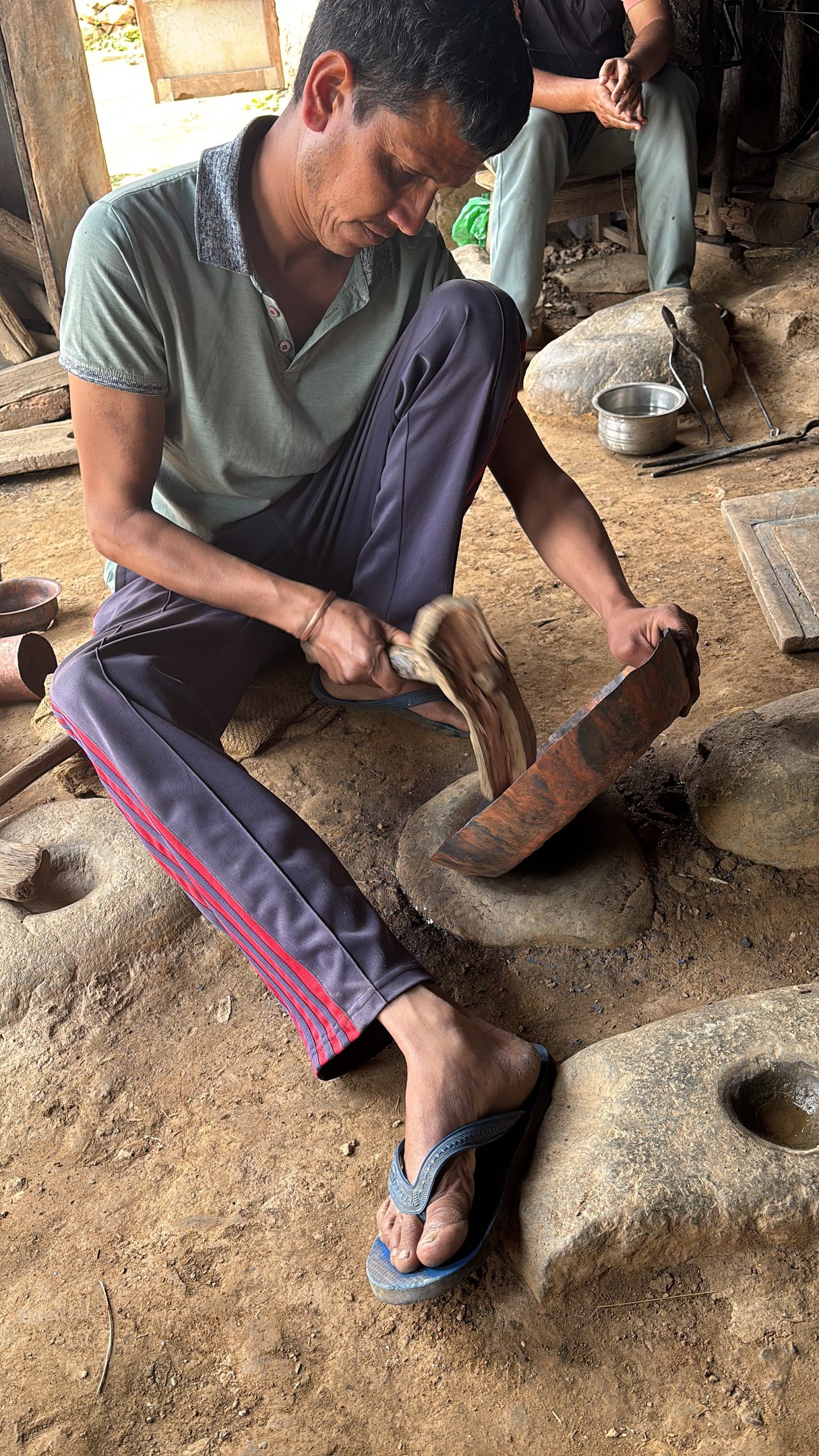
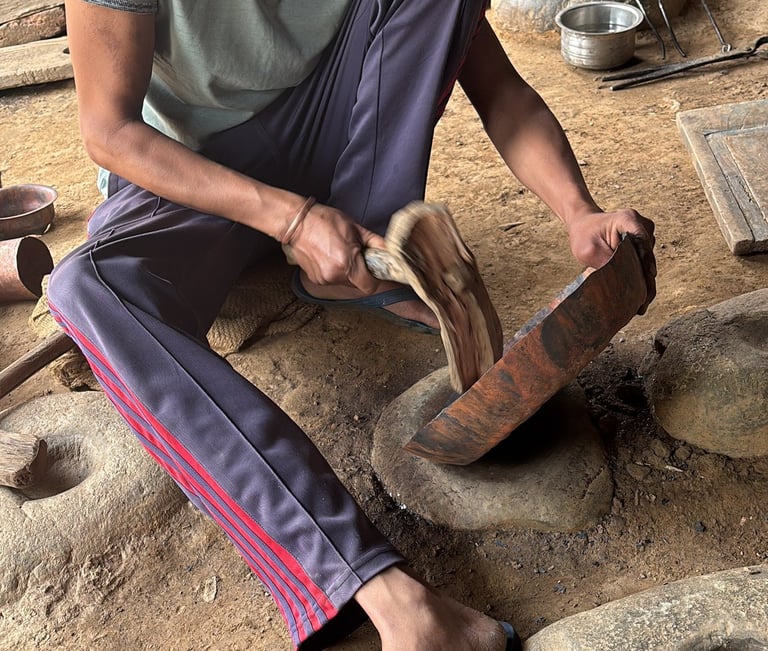
(3) Hammering and Forming: Using traditional hammers and wooden moulds, artisans beat copper into vessels, plates, and ritual objects with deliberate, practiced strikes.
(4) Engraving and Detailing: Chisels etch traditional Kumaoni motifs onto each surface, transforming functional objects into carriers of cultural memory.
(5) Polishing and Finishing: Pieces are polished using tamarind and ash, bringing out copper's warm, characteristic reddish gleam.
(6) Quality Inspection: Each piece is examined for structural soundness, finish, and design integrity before leaving the workshop.
Fall Of The Grandeur
Despite its deep roots in the Kumaon hills, the Tamta craft stands at a fragile crossroads. Mass manufacturing and cheaper alternatives have pushed this once-celebrated art toward the margins. As lifestyles prioritise convenience, handmade copper vessels have lost their everyday presence and cultural standing.
Younger generations are stepping away from the workshop, and the knowledge that once passed from father to child now risks disappearing entirely. Rising copper prices and limited market access have made the craft economically unforgiving. UNESCO recognition has acknowledged its significance, yet recognition alone has not reversed the tide.
To let it fade is to lose not just an art form, but a living piece of Uttarakhand's identity and memory.
Modern Day Vision & Our Intervention
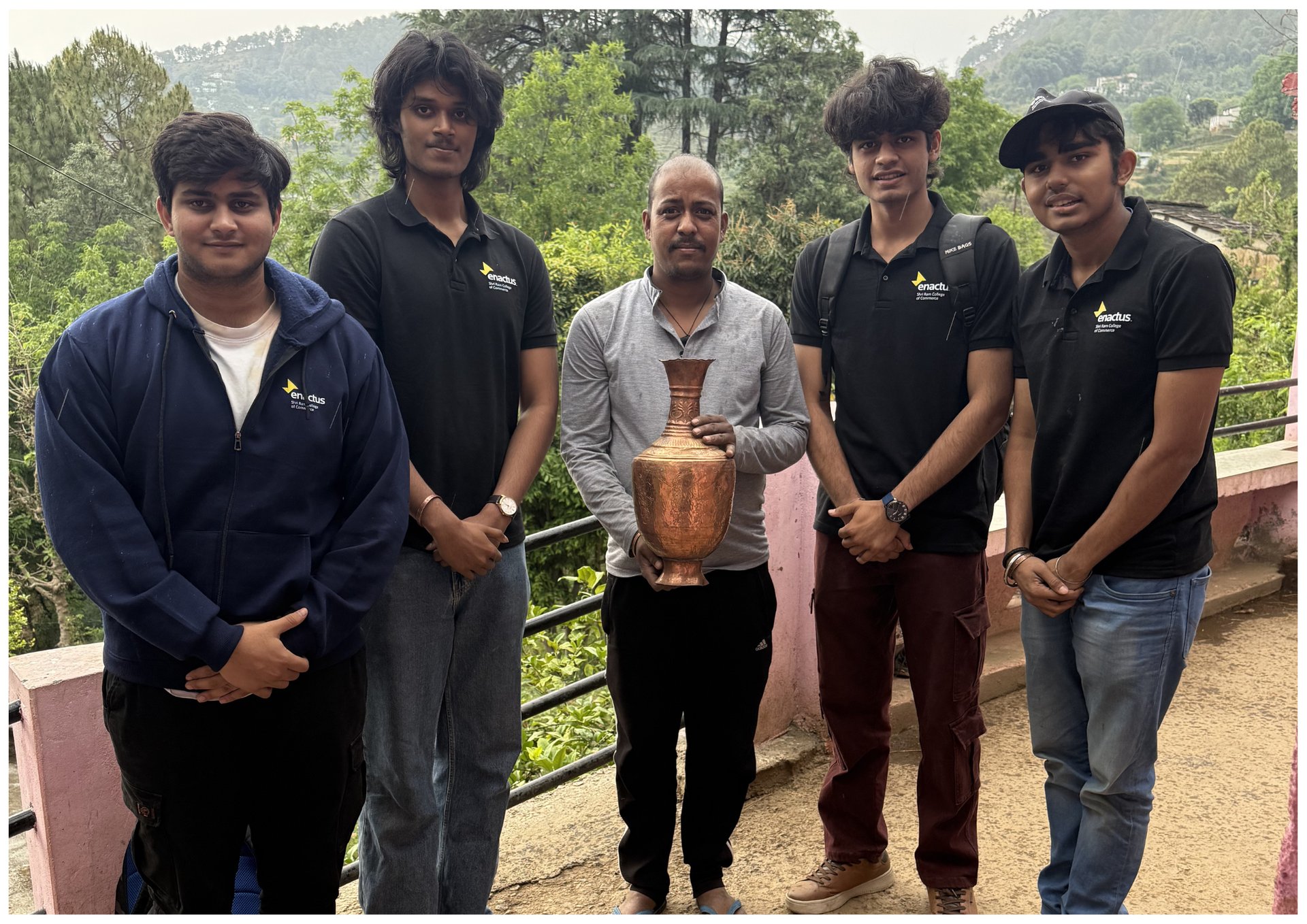
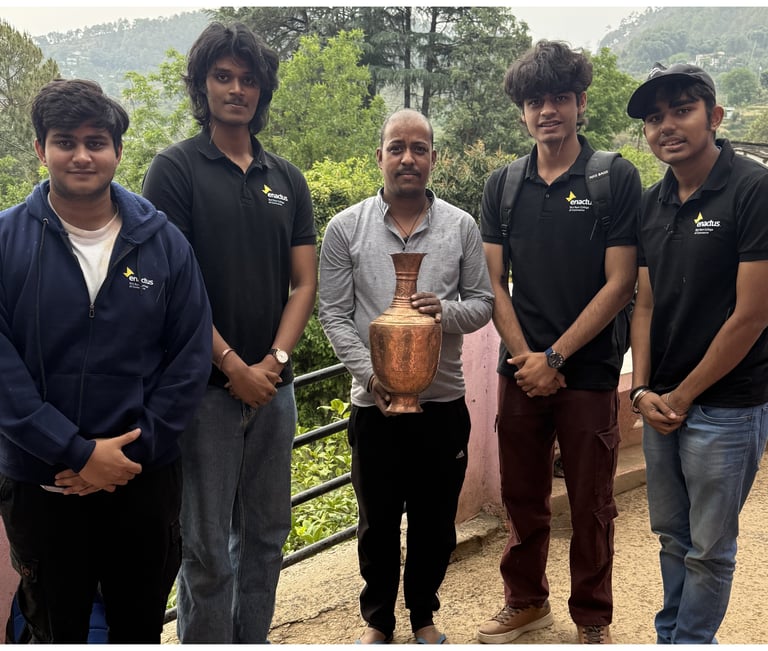
At Enactus SRCC, we set out to revive the Tamta copper craft of Uttarakhand through innovation and grassroots action. Working alongside Almora's artisans, we provided hands-on training, reimagined traditional designs, and introduced contemporary product lines rooted in Kumaoni identity.
We highlighted copper's Ayurvedic and antimicrobial properties, rekindling its everyday relevance. Through digital platforms and authentic storytelling, we connected these artisans to a wider, younger audience.
This was never just about saving a fading art. It was about restoring dignity, building sustainable livelihoods, and ensuring the Tamta legacy inspires the generations that follow.